
 07 September 2026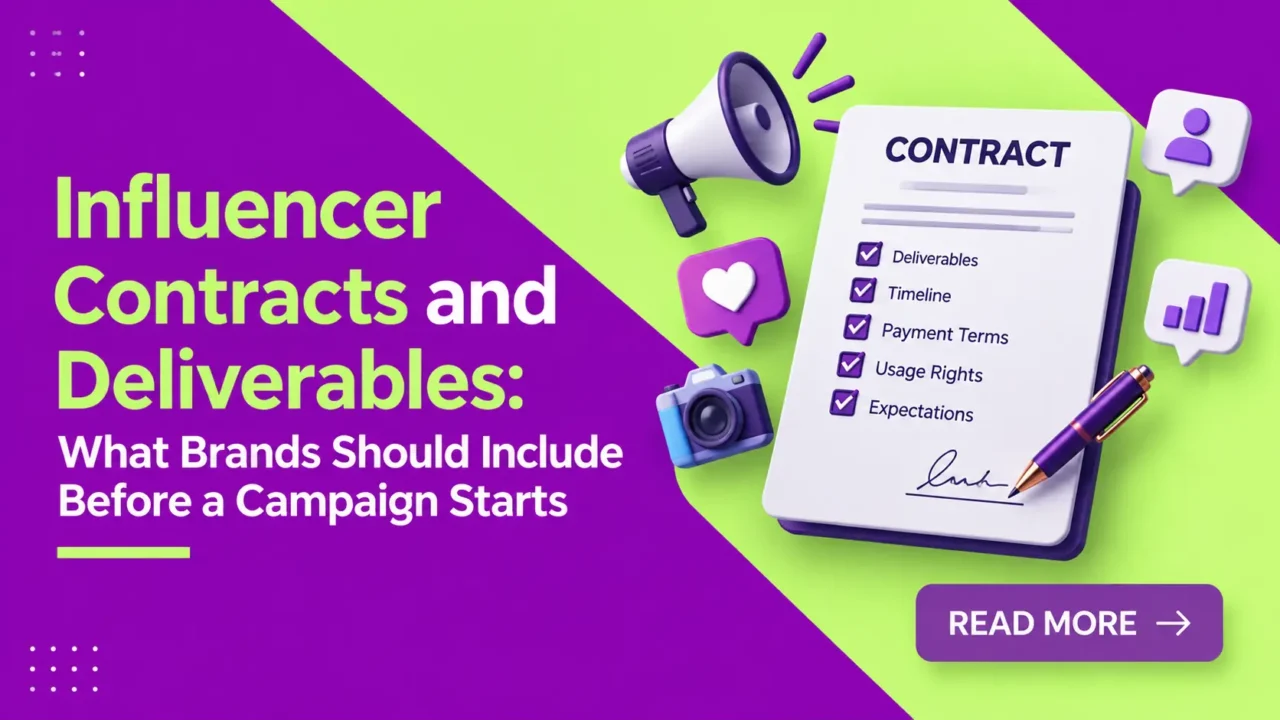
Table of Contents
Brands in India are spending real money on creators, but the influencer contract is often a two-page afterthought. That’s usually fine until a Reel goes viral, the creator deletes it early, or a distributor asks for a TV edit and nobody has clear rights.
If you get the agreement right before the first post, campaigns run smoother, finance stops chasing, and you don’t have awkward calls about what was “understood”. Let’s walk through what an influencer contract should cover so you protect the brand without killing the relationship.
Why Every Campaign Needs A Solid Influencer Contract
A proper influencer contract does three jobs: sets expectations, reduces disputes, and makes it easier to scale from one creator to fifty. Without one, every small misunderstanding with an influencer turns into a long WhatsApp thread or an unpaid invoice. For Indian brands, a written influencer agreement is also your basic risk shield. It documents who owns which content, how long it stays live, how the creator discloses the partnership, and what happens if ASCI or the platform flags the campaign. Even if you’re using an influencer contract template from legal or an agency, you still need to customise it for each campaign. The product category, risk profile, and level of creative freedom all change what you must spell out.Key Business Terms To Lock Before Work Starts
This is where most problems start: vague briefs and missing basics. Your influencer collaboration agreement should clearly identify the parties, brand, and product, and link to a written brief the creator has seen and accepted, even if that brief sits in an email or Google Doc. Next comes the campaign scope. Define the objective, platforms, languages, and whether the creator is posting only on their handles or also providing raw content for your channels. That sounds simple until you ask someone later for unedited footage and they quote extra. Timing is another area contracts gloss over. Confirm the content approval window, posting dates, and any blackout periods where the creator can’t promote direct competitors. For seasonal launches or sale days in India, missing a two-day window can make the whole campaign pointless.Defining Influencer Deliverables In Detail
Never rely on “a couple of Reels and some Stories” in an influencer campaign agreement. Spell out deliverables in measurable terms: number of posts, formats, minimum duration, and any mandatory frames like unboxing shots, on-face demo, or swipe-up CTA where available. Good practice is to put deliverables in a small table or bullet list attached to the creator contract. For example: “2x Instagram Reels (30–45 seconds, permanent), 3x Instagram Stories (3 frames each, 24 hours), 1x static feed post, 5x raw images for brand use.” Think ahead about localisation and variants. If you need separate Hindi and English versions, or different calls-to-action for marketplaces like Amazon, Flipkart, or your own D2C site, that belongs in the influencer deliverables list, not as a last-minute request.Money, Invoicing, And Influencer Payment Terms
Creators talk. If one person gets paid in 7 days and another in 90, someone will be upset. Be specific in the contract about influencer payment terms: fixed fee, bartered product value, performance bonus, or any mixture of these, plus exact payment timelines from invoice date. For Indian campaigns, mention GST handling, TDS rate, and who issues what documents. If you’re sending high-value products under barter, state whether the influencer returns them or treats them as part of the compensation, so you don’t have finance chasing inventory later. Include conditions for payment release. Common triggers are: content approved, posts are live with correct tags and disclosures, and screenshots or analytics shared. If there’s a performance-based bonus, define the metric and the check-in date; vague “good performance” language never ends well.Usage Rights, Licensing, And Exclusivity
This is where most brands in India under-specify the influencer contract and regret it when a campaign performs better than expected. At minimum, define who owns the IP in the content and what usage rights are granted to the brand, in which territories, and for how long. If you plan to run creator content as paid ads, you need explicit content licensing rights, sometimes called whitelisting or creator whitelisting. That often involves a separate approval for ad copies, audience targeting, and a clearer timeline, because ads get far more reach than organic posts. Exclusivity clauses need to be realistic. For mass categories like skincare or snacks, full-category bans for six months may not fly. Instead, narrow it: no direct competitors, certain keywords, or specific marketplaces. If you want long exclusivity, expect to pay more and say so plainly.Managing Influencer Usage Rights After The Campaign
Two months after a successful push, someone in performance marketing will ask to re-use a Reel in a new campaign. If rights weren’t negotiated upfront, you’re back to manual renegotiation. Clear influencer usage rights in the original contract let your team reuse winning creatives without delay.Approvals, Compliance, And Brand Safety
Your influencer agreement should lay out a simple approval flow: how many review rounds, who on the brand side can sign off, and what happens if feedback comes late. Endless changes and late approvals are the fastest way to sour a creator partnership. Don’t ignore compliance. ASCI’s influencer guidelines require proper disclosure for paid partnerships in India, especially for categories like finance, health, and gambling. The contract should specify disclosure format, hashtags, and positioning so you don’t end up in a complaint thread. On brand safety, include a morals clause. This doesn’t need dramatic language, just the right for you to pause or terminate the collaboration if the creator is involved in conduct that seriously harms the brand’s reputation. Most serious influencers accept this when it’s framed reasonably.Dispute Resolution And Exit Clauses
Nobody likes talking about break-ups during the honeymoon phase, but your influencer contract should still cover exit scenarios. Include cure periods for minor breaches, clear termination rights for serious issues, and a simple dispute resolution path before lawyers get involved.Working With Agencies And Influencer Contract Templates
If you work with an agency, you’ll often see their standard influencer contract template. Treat it as a starting point, not a finished product. Make sure your internal legal and brand teams review core clauses for IP, usage rights, and data access before it goes to creators. The best agencies act as translators between brand legal language and what creators accept in practice. For example, agencies like Unikqo, based in New Delhi, run campaigns end to end with verified creators and can flag when a clause will scare away the right talent on Instagram or YouTube. Keep consistency across campaigns. Build a master influencer collaboration agreement your team understands, then let the agency adapt only the schedule: deliverables, fees, and timelines. That way your risk posture stays stable while campaign details stay flexible.Tracking Performance And Reporting Back
Contracts should also say what data the brand gets: screenshots only, or direct access to platform metrics and tracking links. Agencies that run live reporting dashboards across clicks, engagement, and ROI, as Unikqo does, can only do that if data access is written into the agreement.Why Brands Choose Unikqo For Influencer Contracts And Campaigns
Most agencies treat the influencer contract as paperwork after creators are picked. Unikqo flips that sequence: campaign goals, budgets, influencer deliverables, timelines, and usage rights are set first in its own planning tool, then AI-powered discovery and authenticity checks are used to shortlist verified creators who fit those terms in real life. The clearest USP is simple: creator selection runs on audience data and authenticity checks before a rupee is spent, and every campaign is tracked to business outcomes on a live dashboard clients can see. That matters when you’re agreeing on content licensing, exclusivity, or paid whitelisting in India and don’t want to rework half the influencer contract mid-flight.- Verified creators only, with audience and engagement screenings so your influencer agreement isn’t wasted on fake reach.
- ROI-focused campaigns tied to clicks, revenue, or leads, reported through live dashboards that marketing and finance can both read.
- Industry-specific strategy for D2C, ecommerce, SaaS, and startups, so deliverables and influencer usage rights match your sales cycle.
- Dedicated account managers who run planning, contracting, approvals, and Meta performance campaigns as one joined-up program.